At a hackathon, 48 hours can be enough for an idea to take shape. But especially in deeptech, a good idea needs much more than time – above all, it needs people who know how to ask the right questions, help a team test its assumptions, and see whether the solution it’s building can, one day, make the leap from the lab or the prototype stage to the market.
This year, Deeptech GigaHack comes with a first: the mentors who will work with the teams have themselves gone through a dedicated training programme.
The training programme gives experts practical tools, EU-aligned knowledge, and concrete coaching methods, to ensure more structured and effective guidance within deeptech initiatives, as well as within the Republic of Moldova’s efforts to advance technology transfer – including in the context of building a National Alliance of Technology Transfer Offices (TTO).
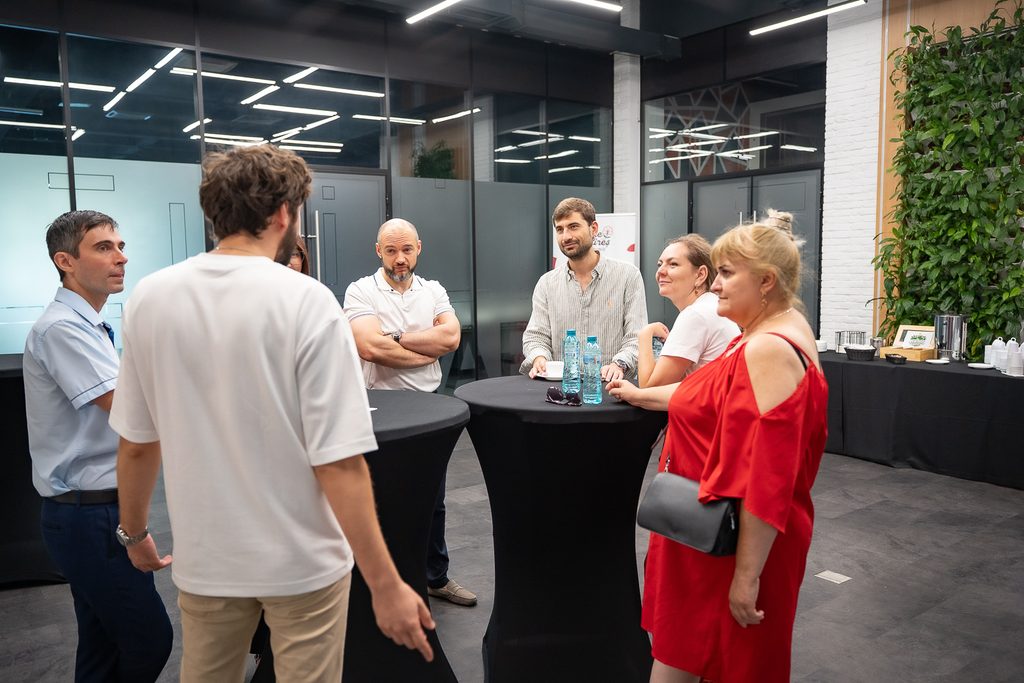
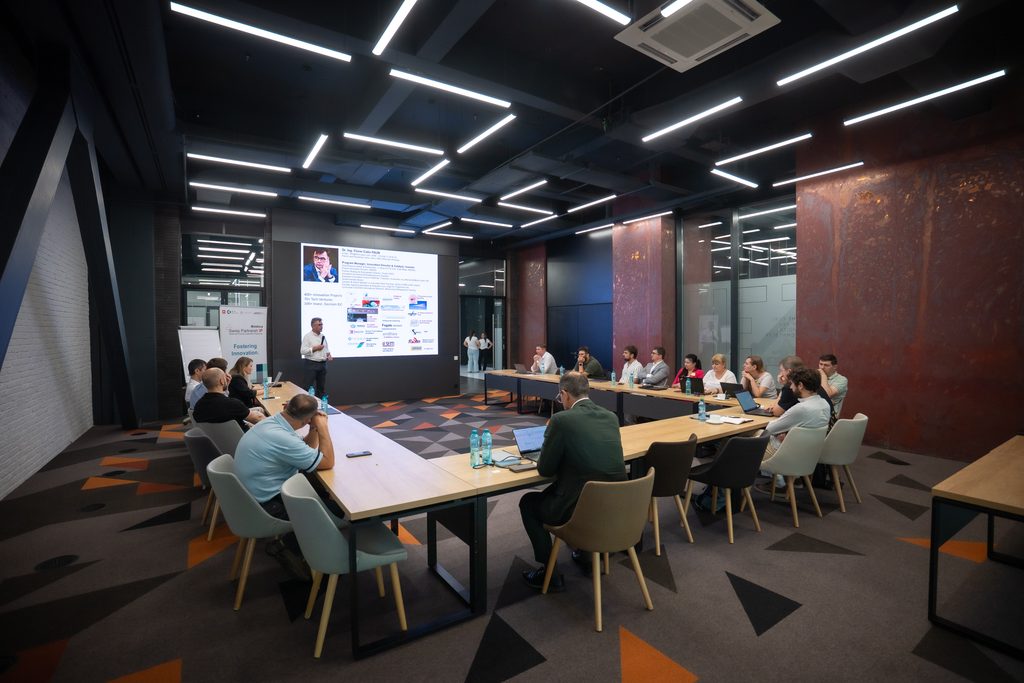
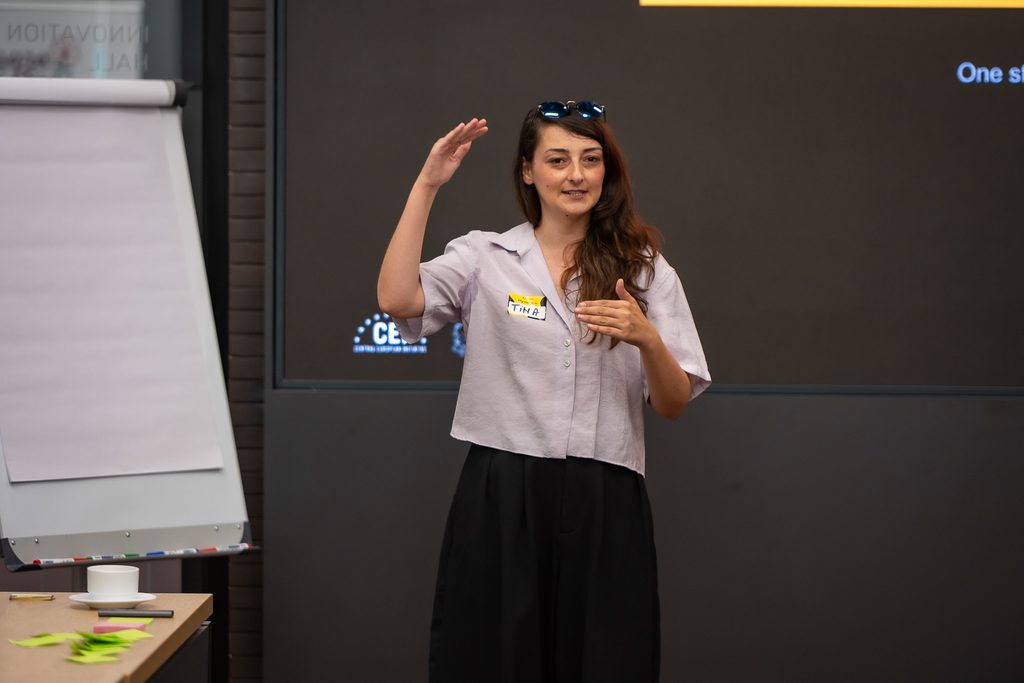
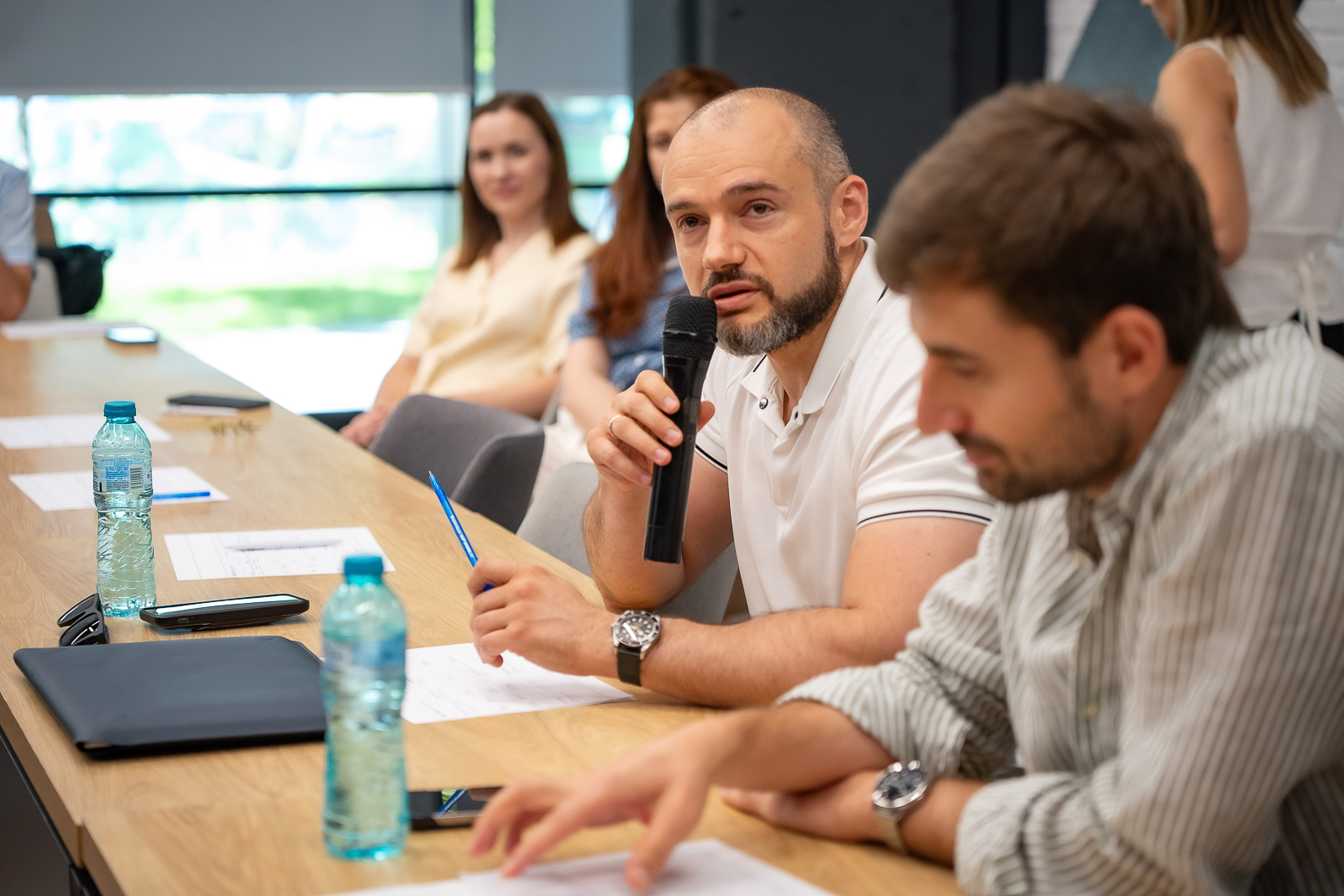
Called Deeptech Training of Trainers, the programme was created to help mentors be better prepared for the specifics of deeptech projects and the challenges faced by early-stage teams. Over the course of 2 days, they worked with methods and tools that can help them push the conversation beyond the question “is this a good idea?” toward harder, more important ones: what problem does it solve, for whom, how do we validate it, and what needs to happen for the solution to actually be used in the real world?
The programme brought together, within the same community, mentors with experience in entrepreneurship, business, research, academia, and the public sector, working in fields such as AI, HealthTech, EnergyTech, AgriFood, FinTech, BioTech, GovTech, and cybersecurity.
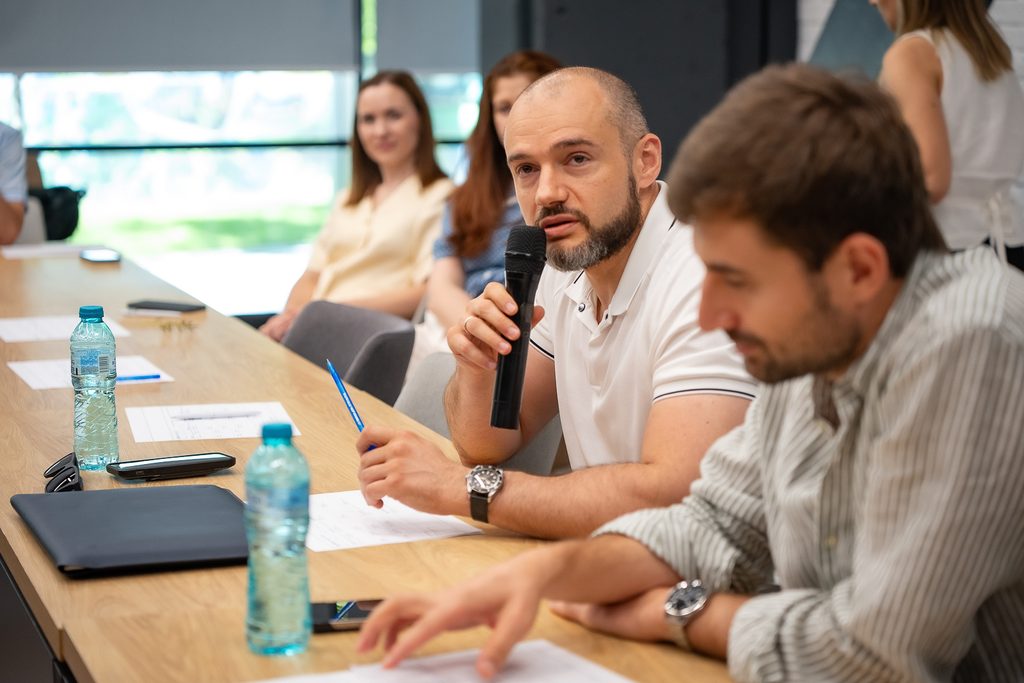
Mary Nemciuc, founder of Technovator: “At Technovator, we’re focused on growing entrepreneurship through a network of mentors, programmes, and initiatives. We understood that there’s a growing need, on one hand, to increase the number of companies, and on the other, to respond to business needs and make proper use of the human resources available. In academia, including outside the Republic of Moldova, there is expertise and resources that aren’t always put to use for business needs. Through this mentoring programme, and beyond it, our goal is to build a base of experts who can help us, in future programmes, grow the number of enthusiasts who start from an idea and go on to build startups. We want to help them early on to make the leap from idea to market entry.”
Ionel Sanduleac, principal consultant, Ministry of Education and Research: “At the level of public administration, we develop policies and try to identify society’s needs and figure out how we can create more favorable conditions for innovation and technology transfer in research, including for startup development. But beyond developing policies, it’s important that we also implement them. We need transfer of experience in innovation, the valorization of research results, and mechanisms that allow these results to reach the economy and society more easily.”
Technology transfer, at the core of mentor training
A significant part of the training was dedicated to technology transfer – the process through which research results can become applicable solutions and, ultimately, products or services that reach the market. Mentors worked, among other things, with tools such as the Deep Tech Lean Canvas, Validation Canvas, Storytelling Canvas, and assessment frameworks such as TRL/BRL.
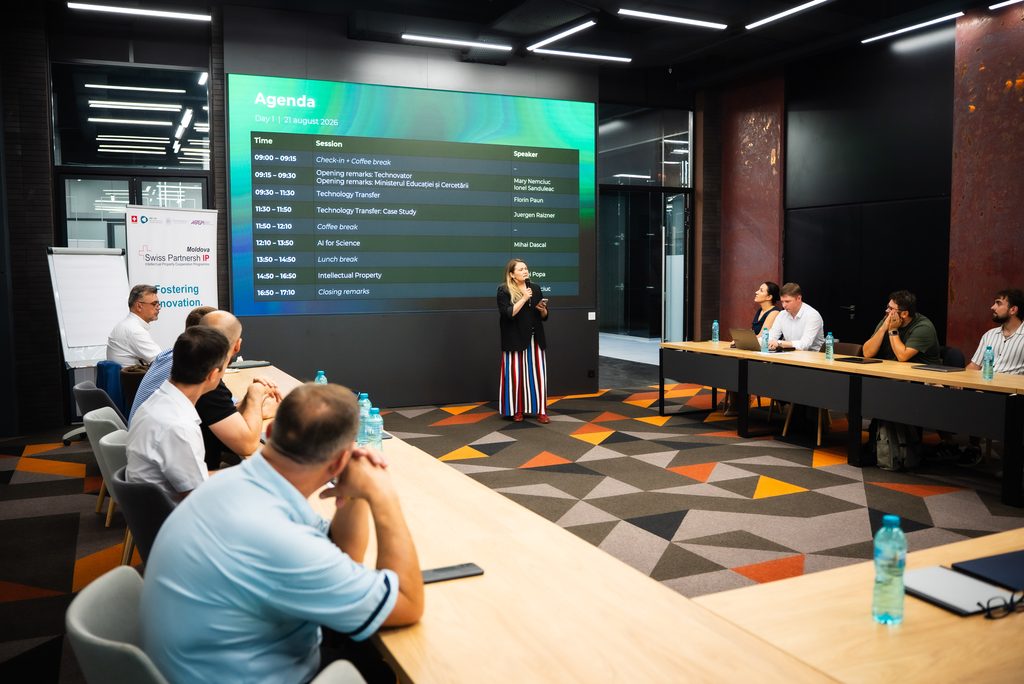
The programme brought together trainers with experience in technology transfer, artificial intelligence, intellectual property, community building, and preparing startups for investment. Through their expertise, they gave mentors applied perspectives and tools they will be able to use afterward in working with Deeptech teams:
Florin Paun – Technology Transfer: Deeptech strategist and EIC jury member, with a PhD from ISAE-SUPAERO and over 20 years of experience driving innovation across corporations, governments, and research institutions. He previously held senior roles at ONERA and Akka Technologies. Supports founders in developing and scaling deeptech ventures.
Juergen Raizner – Technology Transfer: Case Study: International technology-transfer expert with three decades of experience leading Steinbeis enterprises in Germany, Romania, Ukraine, and Azerbaijan. Chairman of the Early Innovators Association Romania. Helps companies enter international markets by connecting industry with research and technology partners.
Mihai Dascal – AI for Science: CTO, software architect, and medical researcher, with over 12 years of experience in healthtech and software engineering. As CTO of CorLab Tech, he led the development of the Republic of Moldova’s national e-Prescription system. He specializes in microservices and AI-driven biomedical data analysis.
Andrei Popa – Intellectual Property: Combines institutional and practical expertise in intellectual property. He served as Deputy Director General of the State Agency on Intellectual Property of the Republic of Moldova (AGEPI), is a certified IP evaluator, and is a licensed IP attorney with IP Consult SRL. Brings a solid perspective on the regulatory framework and the practical application of intellectual property.
Liviu Cadariu – Community Building and Investment Readiness: Community builder and startup ecosystem leader. Co-founder of We For Real and Programme Director at StepFWD, an accelerator that has worked with over 60 startups. He previously served as Community Manager at TechHub Bucharest.
Adriana Șerban – Facilitation: The Art of Hosting and Theory U: Programme Manager at Impact Hub Bucharest and certified facilitator, with over 12 years of experience in community building and learning process design. She uses the Art of Hosting and Theory U to guide mentoring groups through meaningful, authentic conversations.
GigaHack 2026 brings several other firsts
Mentor training is one of several changes through which this year’s edition is trying to take the GigaHack experience further. For the first time, the hackathon will also be accessible to those who aren’t in Chișinău: participants from outside the country will be able to join online and work on the same challenges alongside the on-site teams.
The change responds in particular to interest from the diaspora community, but also to the reality of a deeptech community that is no longer confined to the borders of a single city or a single country.
In Chișinău, however, the experience remains an intense one and, for those who can make it to Tekwill, a physical one: 48 hours of teamwork, access to mentors, feedback, and direct contact with the companies and organizations bringing real problems to be solved.
This year’s edition focuses its challenges on fields such as artificial intelligence, HealthTech, GovTech, EnergyTech, and Cybersecurity. Teams will compete for prizes of up to 30,000 MDL per challenge, and the most promising projects will be able to continue into an incubation programme after the event.
Since 2023, every year around 300 researchers, students, and early-stage founders come to GigaHack to turn ideas into prototypes. This year, the organizers want to invest not only in what participants build over the 48 hours, but also in the people who help them build better.
Deeptech GigaHack 2026 will take place from September 25–27, at Tekwill, Chișinău. Deeptech GigaHack 2026 is organized by Technovator, with the support of EU4Innovation East, a regional project funded by the European Union, co-financed by the Government of France, and implemented by Expertise France, the Ukraine-Moldova American Enterprise Fund (UMAEF), and the Innovate Moldova programme, funded by Sweden and the United Kingdom.
More information about participation, challenges, and the programme is available at gigahack.md.